Rocio Boyanova

Represented By:

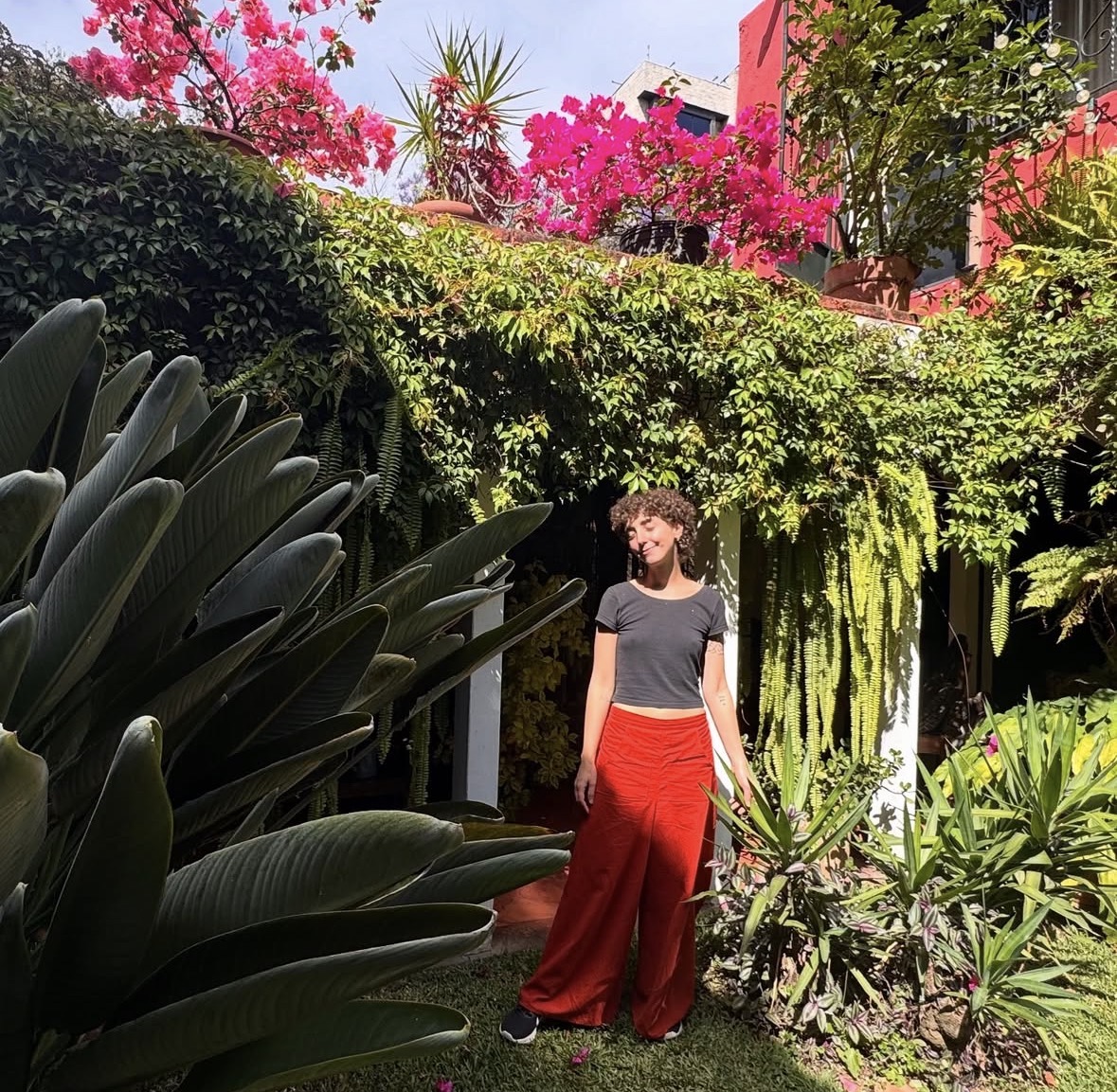
Rocío Boyanova makes ceramic vessels that hold more than their shapes suggest. Drawing on plants, animals, migration, and the places we carry with us, she turns natural forms into bodies marked by memory, vulnerability, and resilience. Her work can feel beautiful and slightly unsettling at once—which is exactly how she likes it.
Originally from Argentina, Rocío moved to Mexico during a crisis with no job, little money, and a conviction that she could make a life through art. Before that, she worked for nine years as a medical secretary while training as a visual artist and art teacher. That persistence runs through her practice: thorns become ways to speak about pain, and vessels become places to consider belonging.
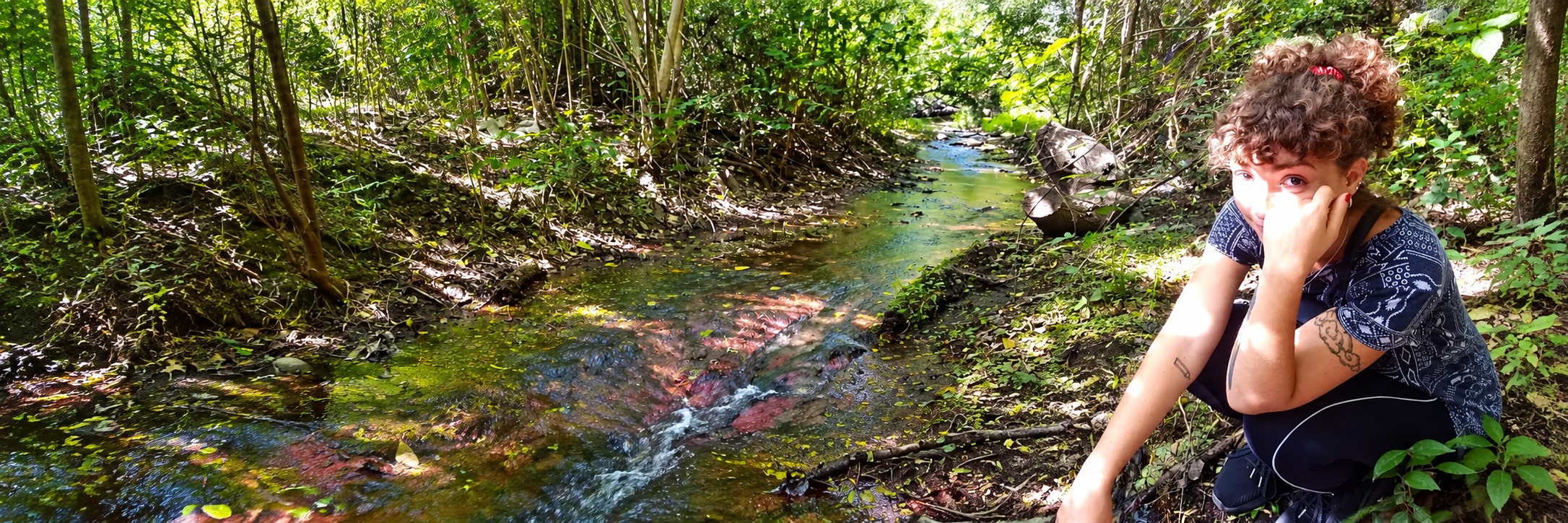
Outside the studio, Rocío is passionate about plants, animals, and fermentation. She can make almost anything into kombucha, kimchi, or sauerkraut—and can just as easily spend an entire paycheck on ceramics supplies. She imagines her future as a grumpy countryside hermit living among plants and animals. For now, she’s making beauty out of things that could hurt.
Works at Call Me Lola
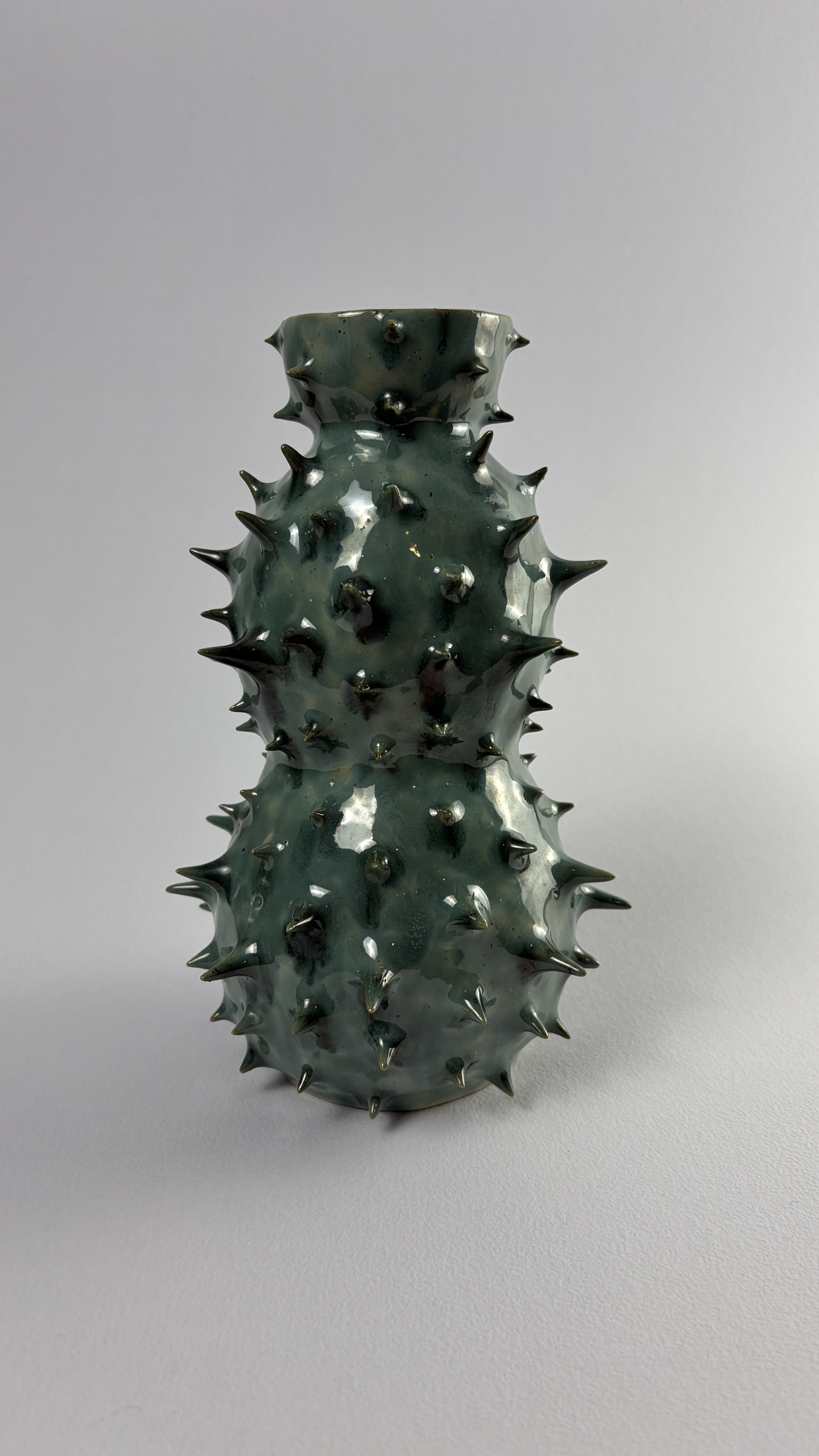
Hura and Palo Borracho belong to a series of vessels named after thorned Latin American trees. Their spines speak to wounds and resilience shared across a region whose connections extend beyond national borders. Each tree becomes a sculptural body carrying questions of identity, memory, and collective pain.
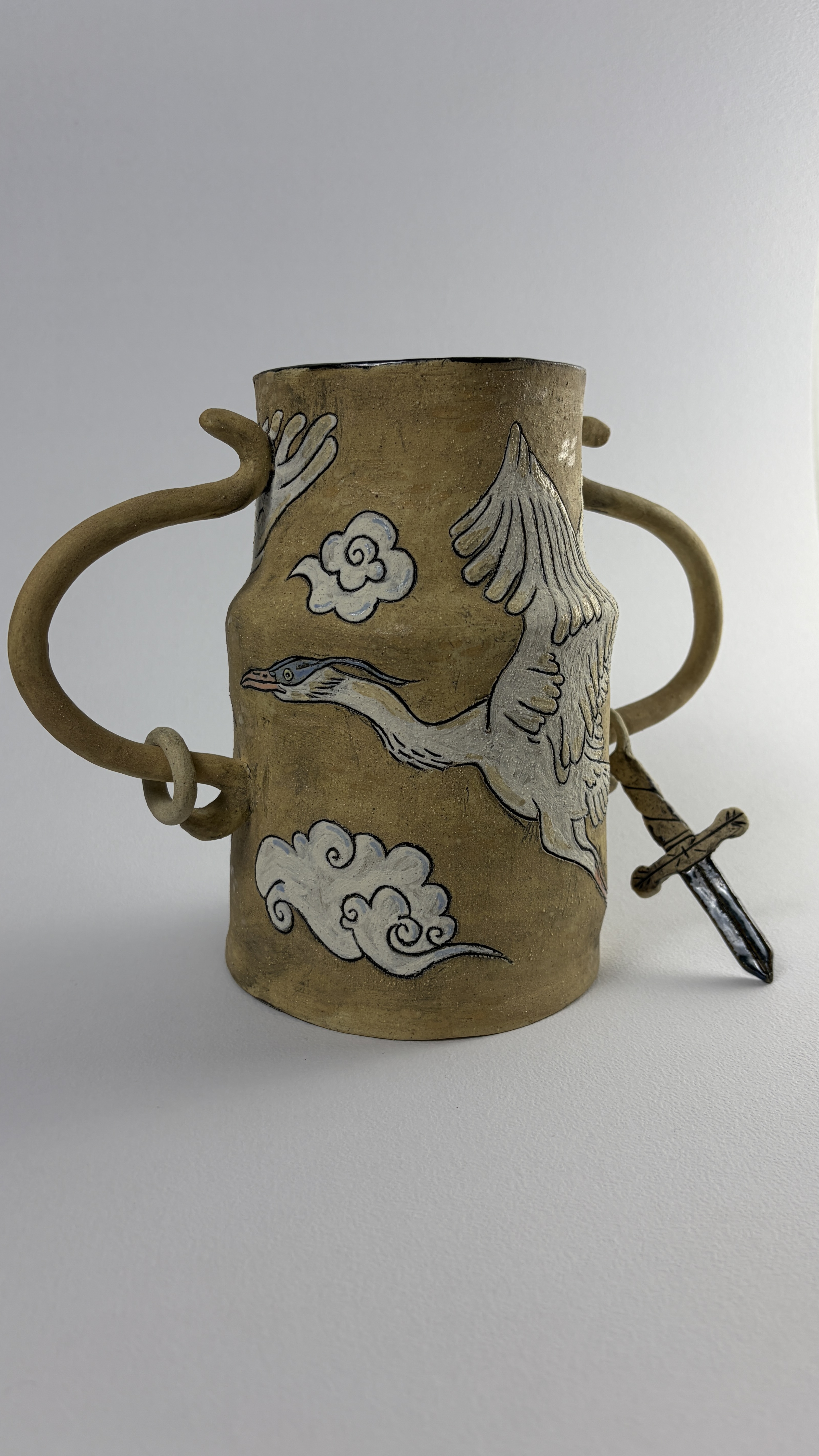
Jarrón de garzas reales turns to migration. Birds in motion suggest a relationship with place shaped by passage rather than permanence. A sword evokes protection, while a ring traces the recurring movements of departure, arrival, displacement, and return.
Together, the three vessels imagine territory as something carried in the body: in its memories and wounds, and in its search for belonging.
Represented By: